E-mail: email@fusonwindoor.com | Tel: +86-189-2593-0732

 English
 Views: 0 Author: Site Editor Publish Time: 2026-10-07 Origin: Site


The structural integrity and energy efficiency of a building envelope rely heavily on fenestration. Even microscopic failures in a window system lead to catastrophic water ingress, thermal bridging, and compromised internal comfort. Modern architectural designs favor the slim sightlines and structural rigidity of metal. However, an improperly specified aluminum window frame introduces severe risks. These include air leakage, condensation, and hidden wall cavity damage due to the material's inherent thermal conductivity and joint vulnerabilities. We evaluate how manufacturers engineer internal seals and manage water drainage. You will learn how proper installation techniques bridge the gap between lab-tested performance and real-world site conditions. Field experience shows that relying solely on factory specifications often results in site failures. We must look closely at the physical mechanics of water management, gasket elasticity, and the exact methods installers use to maintain the air barrier continuity.
Corner Joints Dictate Performance: The primary failure point for water and air infiltration is where aluminum profiles intersect; vulcanized or chemically sealed corners are non-negotiable for high-performance applications.
Gasket Material Matters: Long-term airtightness relies on the elasticity and UV resistance of the weather seals (e.g., EPDM or high-grade silicone) rather than standard PVC extrusions.
Drainage Over Complete Sealing: A truly watertight system does not attempt to block all water; it utilizes pressure equalization and internal drainage paths to manage and weep incidental moisture back to the exterior.
Installation Continuity: Even the highest-rated airtight aluminum windows will fail if the air barrier is not properly transitioned from the rough opening sheathing to the interior edge of the window frame.
Environmental forces constantly attack fenestration systems. Wind loads, driving rain, and extreme temperature differentials exert immense stress on building facades. These forces actively exploit structural weaknesses in metal framing. Understanding how these elements interact with window profiles is the first step in preventing envelope failure. We must analyze the exact physical mechanisms that drive water and air through seemingly solid barriers.
Building professionals often confuse air permeability with wind resistance. They measure entirely different performance metrics. Air permeability describes a window's ability to seal the gap between the sash and the frame. It measures the volumetric air leakage rate under a specific pressure. Wind resistance measures structural deflection. It determines how much the physical frame bends under heavy wind loads without permanent deformation.
Dynamic pressure differentials drive air infiltration. When wind strikes a building face, it creates positive pressure on the windward side. It simultaneously creates negative pressure on the leeward side. This pressure difference forces air through microscopic gaps between the operable sash and the fixed frame. If the internal gaskets lack sufficient compression, conditioned indoor air escapes. Unconditioned exterior air infiltrates the building interior. A frame might withstand a Category 4 hurricane wind load without bending, yet still leak massive amounts of air if the weather stripping fails to compress properly against the sash.
Performance Metric | What It Measures | Primary Failure Cause | Testing Standard Example |
|---|---|---|---|
Air Permeability | Volume of air passing through closed window joints | Degraded gaskets, poor sash compression, missing corner seals | ASTM E283 |
Wind Resistance | Structural deflection and permanent deformation under load | Inadequate aluminum extrusion thickness, weak mullion connections | ASTM E330 |
Water Penetration | Resistance to water passing the innermost frame plane | Blocked weep holes, failed pressure equalization, unsealed joints | ASTM E331 |
Water infiltration rarely happens through direct, straight-line paths. Capillary action draws water upward into tight frame crevices. When two solid surfaces sit close together, the surface tension of water pulls moisture into the gap. This happens even against the force of gravity. Metal window profiles with tight, unsealed mechanical joints are highly susceptible to this phenomenon. A 1mm gap between a mullion and a transom acts like a straw, pulling standing water from the sill directly into the vertical framing members.
Kinetic energy and gravity further complicate water management. Raindrops strike the glass and frame with significant kinetic energy. This impact shatters the droplets, forcing water deep into exterior glazing pockets. Gravity then pulls this accumulated moisture downward. If the internal frame lacks a dedicated drainage path, the water pools. It eventually finds a way through the interior seals and into the wall cavity. Managing this water requires intentional pathways that guide moisture down and out before it breaches the interior plane.
Manufacturers utilize specific engineered components to achieve strict air and water tightness. A high-performance window relies on a multi-layered defense strategy. This strategy combines advanced polymers, precise manufacturing techniques, and thermal management systems. Every component must work in unison to handle the dynamic loads placed on the building envelope.
The elasticity and durability of the gaskets define the lifespan of the seal. Material selection dictates performance. Standard PVC extrusions degrade quickly under UV exposure and extreme temperature fluctuations. High-performance systems use EPDM (Ethylene Propylene Diene Monomer), high-grade silicone, or advanced TPE (Thermoplastic Elastomers). The durometer, or hardness, of these materials is carefully calibrated. A primary center seal usually requires a softer durometer to compress easily when the window closes, while exterior glazing gaskets need a harder durometer to resist heavy wind loads.
Modern European-style windows employ a three-gasket system. The center seal acts as the primary barrier against wind-driven rain. It sits deep within the frame profile, protected from direct UV exposure. The exterior seal blocks heavy rain and dust, acting as the first line of defense. The interior seal provides acoustic insulation and stops interior air from reaching the cold outer chambers. If interior air bypasses this third seal, it will condense on the cold aluminum surfaces inside the frame cavity.
A window frame is only as watertight as its weakest joint. The corners where aluminum profiles meet represent the most common failure points. Traditional manufacturing uses mechanical cleats and crimped corners. Without proper chemical sealants, these mechanical joints open over time due to thermal expansion and structural settling. A standard miter cut leaves a microscopic gap. When the aluminum expands in the summer sun, that gap widens, creating a direct path for water.
High-end aluminum window sealing requires advanced corner construction. Manufacturers inject two-part structural adhesives into the corner cleats after crimping. This adhesive fills all internal voids and cures into a solid, watertight block. For the rubber gaskets, corner vulcanization is mandatory. Vulcanization uses heat and pressure to fuse the gasket corners into a single, continuous piece of rubber. This eliminates the shrinkage gaps that plague standard cut-and-push gasket installations.
Extrusions are cut at precise 45-degree angles.
Mechanical corner cleats are inserted into the hollow chambers of the profile.
A hydraulic crimping machine punches the aluminum into the cleat to lock the joint.
Two-part epoxy or structural adhesive is injected through pre-drilled holes to fill the corner cavity.
Continuous, vulcanized EPDM gaskets are installed around the perimeter without any cuts at the corners.
Aluminum conducts heat rapidly. Without intervention, cold exterior temperatures transfer directly to the interior frame surface. This thermal bridging causes interior condensation. Condensation mimics window leakage and damages interior finishes. Water pooling on the interior sill is often misdiagnosed as a failed exterior seal when it is actually interior humidity condensing on a cold metal frame.
Manufacturers interrupt this thermal bridge using polyamide struts. These fiberglass-reinforced plastic strips separate the interior and exterior aluminum extrusions. Preventing interior surface condensation links directly to the perceived watertightness of the system. A thermally broken frame keeps the interior surface above the dew point, eliminating condensation-related water damage. The wider the polyamide strut, the better the thermal performance and condensation resistance of the frame.
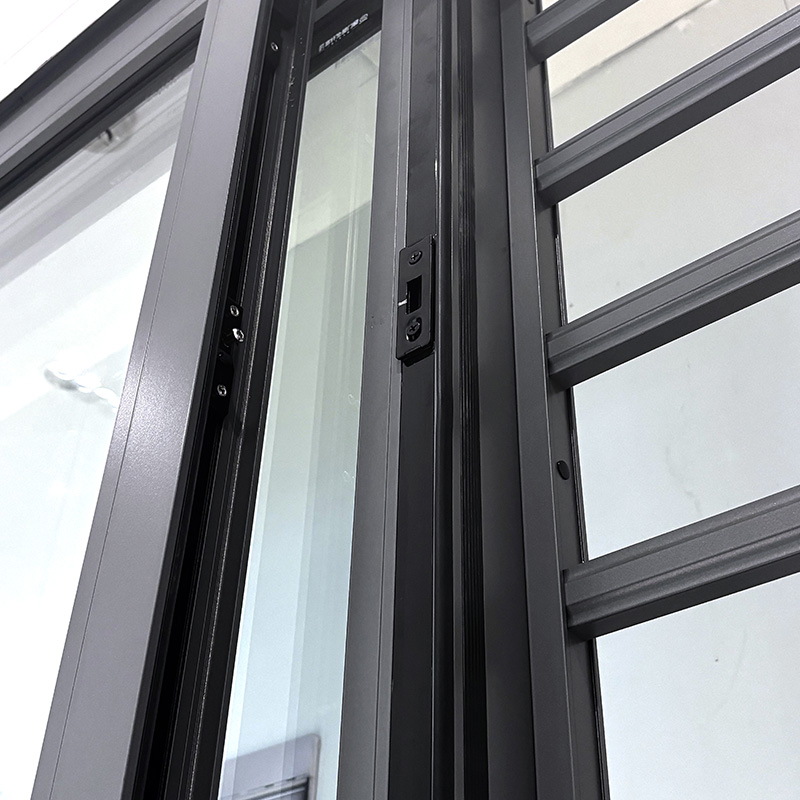
Architects and specifiers must evaluate competing products through strict technical lenses. Relying on marketing claims leads to envelope failures. You must analyze the internal engineering and independent laboratory test data. Understanding how a window manages pressure and water internally separates high-performance systems from basic commercial storefronts.
A truly watertight system does not attempt to block all water at the exterior face. Instead, high-end systems use a pressure-equalization chamber within the frame. This design neutralizes the pressure differential that drives water inward. The outer chamber acts as a buffer zone between the harsh exterior environment and the protected interior seals.
The system intentionally allows a small amount of air into the outer chamber. This equalizes the pressure inside the frame with the exterior wind pressure. Without a pressure difference, capillary action and kinetic energy cannot force water past the primary center seal. The system then relies on precise engineering to manage the water. Weep holes, drainage caps, and internal baffles direct incidental moisture safely back to the exterior. Baffles prevent high winds from blowing water back up through the weep holes during severe storms.
Objective performance requires standardized testing. Specifiers rely on established industry criteria to baseline window performance. You cannot verify airtight aluminum windows without reviewing the independent test reports.
AAMA/WDMA/CSA 101/I.S.2/A440: The North American standard for fenestration. It dictates specific performance classes based on design pressure and water penetration resistance.
Passive House Certification: Represents the highest standard for airtightness. Windows must meet extreme air infiltration limits to maintain whole-building energy efficiency.
Static vs. Dynamic Testing: Static lab testing applies constant pressure to the window. Dynamic field testing, like the AAMA 501.2 water hose test, simulates real-world driving rain. Dynamic testing often reveals vulnerabilities missed in static lab environments.
The table below outlines common gasket materials and their performance characteristics in high-performance window systems:
Material Type | UV Resistance | Compression Set Resistance | Thermal Flexibility | Typical Application |
|---|---|---|---|---|
Standard PVC | Low | Poor | Hardens in cold | Budget residential frames |
EPDM Rubber | Excellent | High | Remains flexible | Primary center seals, exterior glazing |
High-Grade Silicone | Outstanding | Very High | Extreme temp stability | High-movement joints, structural glazing |
TPE (Thermoplastic) | Good | Moderate | Good flexibility | Co-extruded interior acoustic seals |
Factory-level sealing means nothing if the site installation fails. The connection between the window frame and the wall assembly dictates the final performance. Installation teams must maintain absolute envelope continuity. A perfectly engineered window will leak profusely if the gap between the frame and the rough opening is improperly detailed.
Building science principles dictate specific sealing locations. You must locate the primary air seal toward the interior edge of the window frame. This interior seal stops warm, moisture-laden indoor air from entering the window cavity. It also permits the drainage of any incidental exterior leakage outward. The interior seal is typically achieved using low-expansion polyurethane foam or specialized airtight tapes connecting the frame to the interior vapor retarder.
If you seal the exterior perimeter tightly and leave the interior unsealed, you trap water inside the rough opening. Installers use liquid-applied flashing, self-adhering membranes, and specialized air dam systems. Fluid-applied barriers conform to complex rough opening geometries. They maintain internal comfort consistency and prevent hidden cavity damage. The exterior seal must shed bulk water while remaining vapor-permeable to allow the wall cavity to dry.
The rough opening itself presents significant vulnerabilities. Gaps or cracks where exterior sheathing fastens to the framing allow air to bypass the window cavity entirely. Structural settling and the thermal expansion of aluminum constantly stress the perimeter joints. A 3-meter aluminum frame can expand and contract by several millimeters depending on solar exposure and seasonal temperature swings.
Installers must use dynamic joint sealants to accommodate this movement. Expanding foam tapes provide a breathable, weather-resistant barrier that expands to fill irregular gaps. High-movement silicones, applied over properly sized backer rods, handle the differential expansion between the metal frame and the wood or steel structure. The backer rod ensures the silicone forms an hourglass shape, maximizing its ability to stretch without tearing.
A common disconnect exists between architectural specification and site installation. General construction workers often lack formal building science training. They may apply standard caulking techniques to advanced pressure-equalized systems, inadvertently plugging critical weep holes. When a weep hole is caulked shut, the pressure equalization chamber fills with water, eventually overflowing the interior gaskets.
Project managers must explain humidity control, dew points, and proper weather sealing window techniques directly to the installation crews. Clear visual shop drawings and pre-installation mock-ups bridge this knowledge gap. Installers must understand that blocking an exterior weep hole destroys the pressure equalization chamber and forces water into the building. Site supervisors should mandate a water test on the first installed window before allowing the crew to proceed with the rest of the building.
Specifying advanced sealing systems involves commercial realities. Project teams must analyze overall value influencing factors. Balancing upfront costs against long-term performance requires a lifecycle perspective. Value engineering often targets window gaskets and corner construction first, replacing EPDM with cheap PVC or eliminating structural adhesives to save money.
Multi-chambered, thermally broken, triple-gasket systems carry a higher initial premium. Vulcanized corners and structural adhesives increase manufacturing time. However, these upfront costs pale in comparison to the long-term savings. High-performance frames drastically reduce HVAC loads. They also mitigate the massive financial risk of hidden water damage and mold remediation. Replacing a failed window system on a mid-rise building costs exponentially more than specifying the correct pressure-equalized system during the initial design phase.
No sealing system lasts forever without maintenance. Weather seals degrade over time. Specifiers must discuss the realistic lifespan of EPDM and silicone components. Maintaining baseline air and water tightness over a 30-year lifecycle requires periodic inspection. Facility managers must clear weep holes of debris and insects. They must also plan for eventual gasket replacement. Systems designed with easily replaceable push-in gaskets offer significant long-term maintenance advantages over systems with permanently glued seals. Regular maintenance ensures the pressure equalization chambers function exactly as engineered.
Audit your current fenestration specifications to mandate vulcanized corners and EPDM or silicone gaskets.
Demand physical corner cutaways and independent test reports from manufacturers before approving any product submittals.
Require detailed installation shop drawings that clearly define the interior air seal and exterior drainage paths.
Consult with a building envelope specialist to verify that your chosen window system aligns with the specific wind loads and climate data of your project site.
A: EPDM and high-grade silicone are the best materials for window sealing. EPDM offers exceptional elasticity, UV resistance, and durability in harsh weather. Silicone provides superior thermal stability and resists compression set, ensuring the gasket maintains its shape over decades of use.
A: Corners leak due to the failure of mechanical joints. When manufacturers use simple crimping or cleats without proper chemical sealants, thermal expansion forces the joint open. High-performance windows prevent this by using injected structural adhesives and vulcanized rubber gaskets at all corner intersections.
A: You can retrofit an existing frame by replacing degraded weather stripping with new EPDM gaskets. Adjust the sash hinges to ensure proper compression against the frame. Finally, remove old perimeter caulking and re-seal the interior and exterior gaps using high-movement silicone and expanding foam tape.
A: Air permeability measures volumetric air leakage. It defines how well the window seals the gap between the sash and the frame under pressure. Wind resistance measures structural deflection. It determines how much the physical aluminum frame bends under heavy wind loads without breaking or permanently deforming.
A: You must apply the primary air seal to the interior edge of the window frame. This stops warm indoor air from entering the cavity. The exterior side should have a weather barrier but must remain vapor-permeable to allow any incidental water in the rough opening to drain outward.
A: Weep holes are essential for pressure equalization and water management. They allow air to enter the outer frame chamber, neutralizing the pressure that drives water inward. They also provide a dedicated drainage path for any water that bypasses the primary exterior seal to safely exit the system.


