E-mail: email@fusonwindoor.com | Tel: +86-189-2593-0732
 English
Views: 0 Author: Site Editor Publish Time: 2026-04-24 Origin: Site
Window replacement acts as a high-stakes, long-term capital investment. It is rarely just a simple aesthetic upgrade. Choosing the right material ultimately defines your daily comfort and your utility bills for decades. Homeowners evaluating an aluminum sliding window often face conflicting advice. Many builders praise aluminum for its unmatched structural durability and sleek profile. However, energy critics quickly point out its historical inefficiency.
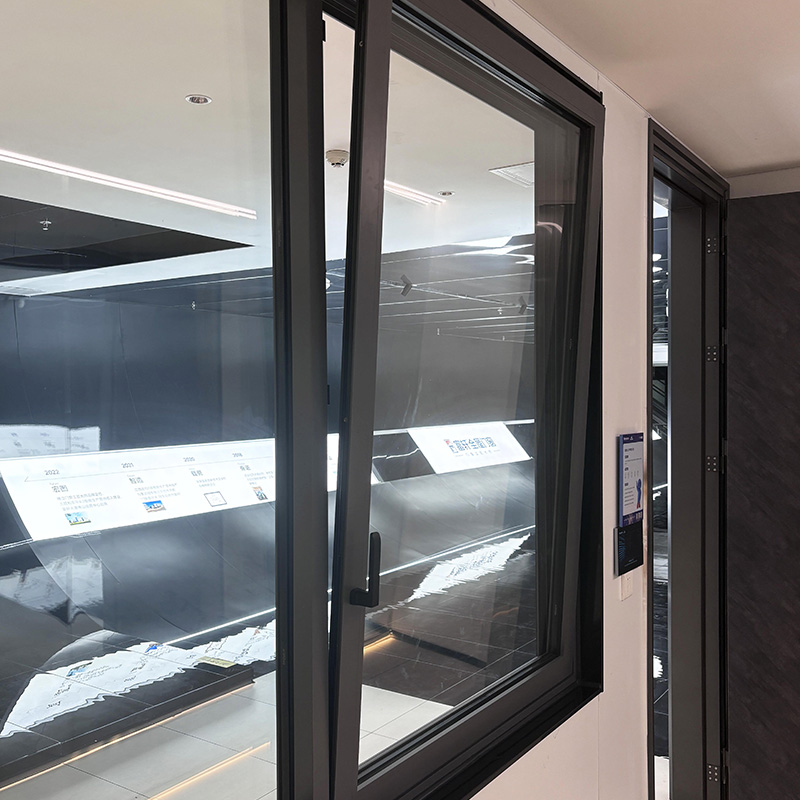
We must shift the evaluation framework away from the cheapest upfront price. Instead, we need to focus on true lifecycle costs. This guide breaks down hidden installation risks, routine maintenance realities, and specific material trade-offs. You will learn how to look beyond the initial price tag to make an evidence-based, financially sound decision for your home.
Upfront vs. Lifecycle: An aluminum sliding window typically costs 15–25% more initially than standard vinyl, but offers a lifespan of 40+ years (double that of budget alternatives).
The Energy Caveat: Base-level aluminum is highly conductive; cost-effectiveness relies heavily on upgrading to "thermal break" technology and Low-E glass to prevent long-term energy loss.
Maintenance Savings: ROI is driven by low mechanical complexity (fewer parts to fail than casement or awning windows) and immunity to rotting or warping in extreme temperatures.
Installation Reality: DIY installation often negates cost savings through structural leaks. Professional installation is required to guarantee warranty and performance.
Establishing a realistic budget requires understanding market variables. National average prices fluctuate heavily based on your location, local labor rates, and supply chain demands. A basic installation might seem cheap. However, premium component upgrades drastically alter the final invoice. You must know exactly what you are buying.
Let us break down the specific components driving your initial costs:
The Frame: Premium manufacturers use high-grade alloys, such as 6063-T5 aluminum. This alloy offers exceptional tensile strength. Upgrading to an anodized finish drives the frame cost higher. However, this electrochemical process prevents future flaking, blistering, or corrosion.
The Glass: Shifting from standard single-pane glass to double-pane or triple-pane units increases costs. Adding acoustic glass layers or Low-E (low-emissivity) coatings adds further upfront expense. These glass upgrades remain non-negotiable for true energy efficiency.
The Hardware: The quality of internal rollers, structural tracks, and locking mechanisms matters immensely. Manufacturers often use cheap nylon rollers to cut costs. Cheaping out here leads to premature mechanical failure. Stainless steel rollers cost more but ensure decades of smooth operation.
Many homeowners make a costly mistake during home remodels. They assume custom window sizing is necessary for older homes. Ordering small, custom-cut configurations drives prices up exponentially. Opting for standard market sizes during a remodel often proves significantly cheaper. Large manufacturing scale reduces the cost of standard sizes. Even if you buy a much larger Sliding Window, sticking to standard dimensions usually saves you money.
Evaluating window investments requires a multi-decade perspective. The cheapest option today rarely remains the cheapest option in twenty years. You must account for replacement cycles, energy performance, and ongoing maintenance.
Aluminum boasts incredible structural integrity. A high-quality aluminum frame easily lasts 40 to 50 years. In contrast, standard materials like basic vinyl operate on a 15-to-20-year replacement cycle. Standard materials degrade under UV exposure. They eventually require a complete tear-out and reinstall. Delaying this replacement cycle by decades presents a massive financial advantage.
Material Type | Expected Lifespan | Structural Risk Over Time | Replacement Frequency (50 Years) |
|---|---|---|---|
Standard Vinyl | 15 - 20 Years | Warping, UV cracking, seal failure | 2 to 3 times |
Standard Wood | 20 - 30 Years | Moisture rot, fungal decay, termite damage | 1 to 2 times |
Premium Aluminum | 40 - 50+ Years | Minimal risk (if anodized) | 0 to 1 time |
We must acknowledge an inherent material weakness. Aluminum transfers heat very easily. A basic metal frame turns into a thermal bridge. It pulls winter cold inside and bleeds summer air conditioning outside.
The modern solution involves thermal breaks. Manufacturers insert an insulating barrier, typically a polyamide strut, directly inside the frame. This physical separation stops heat transfer. When combined with insulated glass, thermal breaks reduce U-values dramatically. High-end units can achieve U-values down to 0.25. This vital insulation offset pays for itself in monthly utility savings over a decade. Skipping the thermal break guarantees long-term financial loss through higher energy bills.
Operating a sliding mechanism costs very little over time. The design relies on simple physics. You simply clear the bottom tracks of dirt and debris. Biannually, you apply a dry silicone lubricant to the rollers. This takes five minutes per window.
Compare this to the expensive upkeep required by other materials. Wood requires relentless sanding, sealing, and repainting to fight rot. Crank-operated windows require constant gear lubrication. The low-cost upkeep of simple sliding mechanisms preserves your initial investment.
Understanding material trade-offs prevents buyer's remorse. Each framing material excels in specific climates and architectural styles. Let us compare aluminum against its primary market competitors.
Vinyl provides excellent, cheap insulation. It naturally resists heat flow, keeping initial costs very attractive. However, this material carries a distinct trade-off. Vinyl expands and contracts significantly under extreme temperature fluctuations. Over time, plasticizers degrade. The frame can become brittle, crack, or warp.
The verdict favors aluminum for structural strength. Metal allows for much larger glass panes. It supports heavier triple-glazing without sagging. You get ultra-slim sightlines that maximize your viewing area without risking frame warpage.
Wood offers premium historical aesthetics. It provides excellent natural insulation and commands a high resale value in heritage homes. The trade-off involves brutal, relentless maintenance. If you neglect a wood frame, moisture easily penetrates the finish. This leads directly to costly wood rot and structural decay.
The verdict positions aluminum as a highly cost-effective, "set-it-and-forget-it" alternative. It works especially well in modern architectural designs. You gain durability and zero rot risk, completely eliminating exterior painting costs.
You must also compare the operational style. Awning and casement styles push outward. They rely on complex internal crank mechanisms and folding hinges. These parts bear the heavy weight of the glass pane against gravity.
Sliding windows lack these complex crank mechanisms. The sash weight rests entirely on bottom rollers. This simple weight distribution significantly reduces hardware failure rates. Fewer broken cranks mean lower long-term replacement costs.
Material Comparison Chart:
Feature Matrix | Aluminum Sliding | Vinyl Sliding | Wood Casement |
|---|---|---|---|
Insulation (Base Level) | Poor | Excellent | Excellent |
Insulation (Upgraded) | Excellent (Thermal Break) | Excellent | Excellent |
Maintenance Needs | Very Low | Low | Very High |
Structural Strength | Maximum | Moderate | High |
Even premium products fail when poorly implemented. Understanding the hidden vulnerabilities helps you protect your investment before you sign a contractor agreement.
Sliding window designs face a structural reality. They have inherently weaker air seals than casement designs. Casement sashes press tightly against weatherstripping when locked. Sliding sashes simply glide past one another. This leads to lower STC ratings.
Standard sliding models typically score an STC rating between 25 and 35. At this level, you will easily hear loud street traffic or lawnmowers. If you live near busy streets, upgrading to laminated acoustic glass becomes a necessary hidden cost. You must budget for this upgrade to maintain interior peace.
Never treat window replacement as a weekend hobby. DIY installation represents a dangerous false economy. Modern fenestration requires exact leveling and specialized flashing tape. Misaligned tracks cause premature roller death. Poor weather sealing causes invisible drafts and dangerous internal wall mold.
You should look for "fixed-rate" or unified service providers. Find a company where the manufacturer also handles the installation. This structure avoids ugly finger-pointing between the brand and third-party contractors if a leak occurs. Unified providers guarantee the entire system performs flawlessly.
You must inspect the frame finish closely. Budget manufacturers often use un-anodized or thinly painted metal. These cheap finishes scratch easily during installation. They fade quickly under intense UV exposure. A degraded finish forces early replacement, completely destroying your expected return on investment. Always demand marine-grade powder coating or a true anodized finish.
Material selection ultimately depends on your specific lifestyle and environment. Aluminum excels in specific scenarios but struggles in others. Use this framework to guide your final choice.
Modernizing a Space: You need maximum natural light. You desire wide panoramic openings. You want ultra-slim frame profiles that do not distract from the exterior view.
High-Traffic Areas: You want a unit that stays flush with the wall. Sliders do not protrude outward into walkways, decks, or patios. They keep outdoor entertaining areas safe and clear.
Harsh or Coastal Climates: You need a robust material. Aluminum resists extreme temperature-induced expansion and contraction. If properly treated with marine finishes, it aggressively resists coastal salt corrosion.
You should avoid this material if your upfront budget is strictly limited. If you cannot accommodate the added cost of thermal break technology and insulated glass, do not buy aluminum. Using cheap, non-thermally broken metal in a cold climate causes massive heat loss. You will suffer through higher heating and cooling bills every single month.
An aluminum sliding system represents a robust, elegant architectural feature. However, it is highly cost-effective only when evaluated on a 20+ year horizon. You must equip it with modern thermal barriers and high-performance glass to realize its full financial benefit. Short-term budget cuts inevitably lead to long-term performance failures.
Your next steps require practical action. First, audit your local climate needs to determine if you need Low-E glass or coastal finishes. Second, measure your desired wall openings to see if standard sizing fits your remodel. Finally, request an itemized quote from a unified service provider. Ensure the quote specifically separates component material costs from installation labor. This transparency guarantees you know exactly what you are paying for.
A: Not natively. Bare metal transfers heat rapidly. However, they become highly energy efficient when upgraded with internal thermal breaks and Low-E double glazing. These modern upgrades block thermal transfer, easily meeting strict local energy codes.
A: Yes. Premium, thermally broken aluminum systems are widely viewed as high-end, modern architectural upgrades. Their slim profiles and structural longevity appeal to buyers, potentially adding significant resale value to your property.
A: Depending on routine track maintenance and dirt accumulation, quality stainless steel rollers can last 10 to 15 years. They eventually require a low-cost, quick replacement. Meanwhile, the metal frame itself will confidently last for several decades.


