E-mail: email@fusonwindoor.com | Tel: +86-189-2593-0732
 English
Views: 0 Author: Site Editor Publish Time: 2026-05-28 Origin: Site
Storm clouds gather quickly, and the wind begins howling against the glass. Homeowners in high-rainfall and storm-prone climates face a serious dual challenge. They must prevent wind-driven rain from penetrating window frames. At the same time, they need to maintain acceptable indoor air quality and ventilation. Traditional sliding windows often fail under high wind pressure. Their exposed horizontal tracks easily trap and channel water indoors. Standard side-hinged units also present a tricky dilemma. They risk massive water ingress if left open during unexpected downpours. This article evaluates the structural viability of the hinged window mechanism in wet climates. We will establish clear technical benchmarks for true weather resistance. You will gain an actionable decision framework. This ensures you select the optimal window upgrade to protect your home permanently.
Mechanics over Materials: The outward-opening "compression seal" of a casement window actively tightens against the frame under heavy wind, making it inherently more waterproof than sliding alternatives.
The Ventilation Trade-Off Solved: While standard side-hinged casements cannot be fully opened during rain, advanced configurations (like awning or dual inner sash designs) allow for airflow without water ingress.
Specification Benchmarks: True waterproofing requires more than just caulk; it demands fusion-welded corners, multi-chamber profiles, and redundant weatherstripping systems.
Maintenance is Non-Negotiable: Even high-end casement hardware requires annual silicone-based lubrication and visual inspection of glazing beads to prevent capillary water damage over time.
To understand true weather resistance, we must first examine structural mechanics. A typical Casement Window operates fundamentally differently from a sliding or double-hung unit. Instead of gliding along a track, the sash attaches to the frame via side hinges. You crank it outward to open it. When you close the window, multipoint locks pull the sash tightly against the master frame.
This design creates a unique phenomenon called a compression seal. Wind-driven rain pushes heavily against the exterior glass during severe storm conditions. For sliding windows, this pressure flexes the glass and exposes tiny gaps in the tracks. However, the compression seal mechanism thrives under pressure. High winds force the outward-opening sash deeper into the frame's weatherstripping. The external force actively tightens the window. It creates an increasingly impenetrable barrier against moisture.
We must contrast this physical advantage with common alternative designs. Sliding windows and double-hung units inherently rely on friction fits to operate. They slide past each other, which prevents the use of thick, continuous weatherstripping. To manage inevitable water intrusion, manufacturers drill weep holes into the bottom tracks. During torrential downpours, these weep holes fail frequently.
Overflow Risks: Heavy rainfall overwhelms the small drainage capacity of standard weep holes.
Debris Clogs: Dirt, dead insects, and tree pollen easily block narrow track channels.
Air Infiltration: Friction seals degrade rapidly over time, allowing humid air to enter the home.
When weeping mechanisms fail, water pools inside the track. It eventually spills over the interior sill, damaging drywall and flooring. The compression seal completely bypasses this vulnerability by eliminating exposed horizontal tracks altogether.
Buyers often struggle to differentiate between basic builder-grade units and high-performance options. A true waterproof insulation casement window integrates specific architectural features. These features work together to stop water penetration entirely.
The foremost evaluation dimension is frame construction. Traditional windows use mechanically fastened corners. Manufacturers screw or bracket the frame pieces together. Unfortunately, temperature fluctuations cause these joints to expand and contract. Microscopic seam leaks inevitably develop. High-performance models utilize fusion-welded joints. High heat melts the vinyl or proprietary composites together. This creates a solid, continuous loop of material. Moisture simply cannot penetrate a fusion-welded corner.
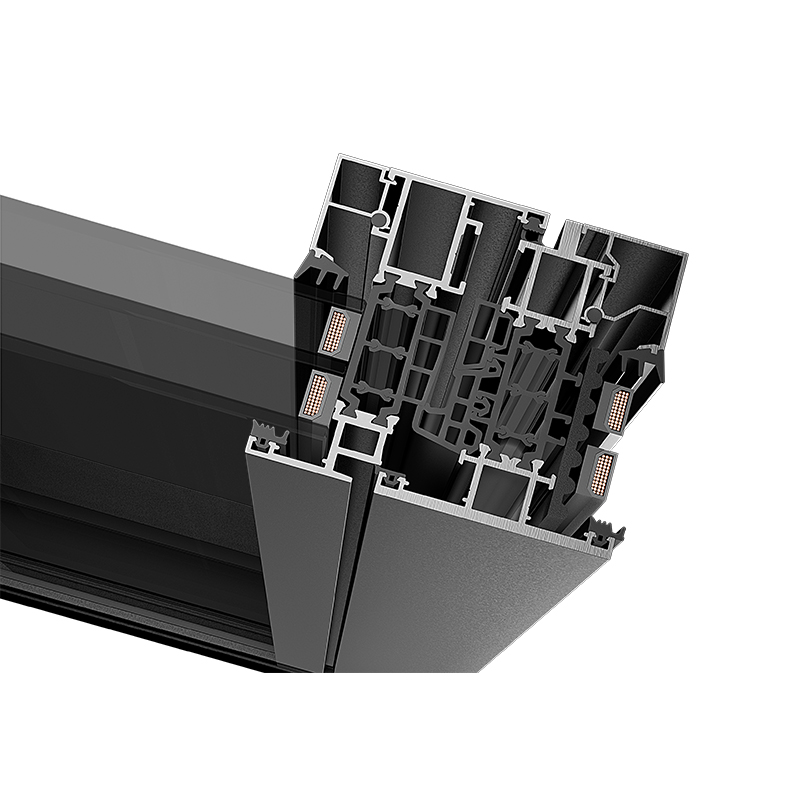
Internal architecture plays an equally critical role. Premium frames feature multi-chamber extruded profiles. These internal cavities trap dead air, which acts as a powerful thermal insulator. In wet climates, these chambers serve a secondary purpose. They act as hidden internal drainage pathways. If a minor amount of water ever breaches the primary external seal, it channels harmlessly down these chambers and out through concealed exterior vents.
Finally, we must evaluate sealing and glazing systems. Standard windows often use cheap brush seals. A waterproof model demands dual or triple-fin silicone weatherstripping. Silicone remains pliable in extreme cold and resists UV degradation. Additionally, secure interior glazing beads are vital. The glazing bead holds the glass pane into the frame. If water enters the "glazing pocket" behind this bead, it causes hidden rot or insulated glass seal failure. High-end windows position these beads strategically and seal them heavily to deflect vertical rain.
Standard vs. Waterproof Insulation Build Benchmarks | ||
Component | Standard Builder-Grade Window | High-Performance Waterproof Window |
|---|---|---|
Frame Assembly | Mechanically fastened (screwed) corners | Fusion-welded seamless corners |
Weatherstripping | Single felt or basic foam strips | Dual/Triple-fin silicone compression seals |
Internal Profile | Hollow or minimal chamber design | Multi-chamber extrusion for thermal/drainage control |
Locking System | Single-point cam lock | Multipoint continuous locking hardware |
A highly valid skepticism exists among buyers living in wet climates. They often point out a glaring flaw. "If I open a side-hinged window during rain, water will pour right into my living room." This is absolutely true for a standard outward-swinging sash. Fortunately, the industry has evolved. We now have multiple advanced configurations that solve this exact ventilation dilemma.
The first alternative involves awning windows. These are essentially top-hinged variants of the traditional outward-opening style. Because the hinges sit at the top, the bottom of the sash swings outward. The open glass acts like a physical umbrella. It deflects vertical rain away from the opening. You can safely leave awning windows open a few inches during a steady downpour. You get fresh bottom ventilation while keeping the interior bone dry.
The second alternative involves next-generation tilt-and-turn mechanisms. These European-style dual-action windows have rapidly gained popularity globally. A single handle controls two completely different opening directions. Turning the handle 90 degrees allows the window to swing inward like a door. Turning it 180 degrees tilts the top of the sash inward.
We see incredible real-world application in hybrid solutions. The Oriental Pearl C3 Dual Inner Sash Window exemplifies this perfectly. It offers a sophisticated hybrid approach to severe weather. During a rainstorm, you activate the inward tilt feature. This provides a rain-safe, draft-free ventilation gap at the top. When the weather clears, you can fully swing the sash open for maximum airflow. It resolves the traditional limitations of standard outward-opening designs. Homeowners no longer have to choose between fresh air and dry floors in unpredictable climates.
We must address a critical reality check. No window remains entirely waterproof indefinitely without proper care. Hinged hardware faces specific vulnerabilities in high-humidity and coastal areas. Moving metal parts rust. Rubber seals dry out. Understanding how to diagnose and maintain these systems is critical for long-term performance.
If you suspect a leak, do not immediately assume you need a full replacement. Professionals use specific diagnostic testing methods to isolate failures. You can replicate the "water testing" protocol at home. Use polyethylene tape to completely seal the seam where the glass meets the frame. Next, run a garden hose over the exterior of the window for ten minutes. If the window still leaks, your primary weatherstripping has failed. If the leaking stops, the internal glazing seal has failed. This pinpoint diagnosis saves you from buying the wrong repair parts.
Thoroughly dry the exterior of the window frame and glass.
Apply wide polyethylene tape over the exterior glass-to-frame joint.
Spray the entire window exterior with a hose, simulating heavy rain.
Inspect the interior sill for moisture entry.
Remove the tape and repeat the spray test to confirm glazing bead failure.
Proper hardware Standard Operating Procedures (S.O.P.) prevent most of these failures. You must perform annual maintenance. Clean the tracks and hinges with a damp microfiber cloth. After drying, apply a silicone-based lubricant to the crank mechanism and the multipoint locking hardware. We strongly warn against using common oil-based lubricants like WD-40. Oil-based sprays remain sticky. They attract abrasive airborne dirt, dust, and sand. This gritty paste will eventually grind down the metal hinges and degrade your waterproofing mechanisms.
Choosing the correct window involves balancing local climate data with your architectural needs. You need a definitive checklist for evaluating contractor quotes and product lines. This logic matrix will help you finalize your window replacement strategy.
Ask yourself three vital questions before signing a contract. First, do you experience high wind loads accompanying your rain? If yes, you must prioritize multipoint locking hardware. A single lock cannot maintain the compression seal along a tall sash. Second, do you need passive ventilation during storms? If you do, strictly specify dual inner sash or awning configurations. Standard side-hinges will frustrate you. Third, are you replacing historical wood windows? If so, ensure the new master frame utilizes moisture-impervious materials. Insist on all-vinyl extrusions or aluminum-clad exteriors to prevent structural rot.
Decision Matrix for Wet-Climate Upgrades | ||
Homeowner Requirement | Recommended Window Configuration | Key Structural Feature to Specify |
|---|---|---|
Maximum wind and driving rain resistance | Standard outward-opening casement | Multipoint locks & fusion-welded corners |
Safe ventilation during heavy downpours | Awning (top-hinged) or Tilt-and-Turn | Multi-chamber internal drainage pathways |
Replacing old wood frames in humid zones | Dual Inner Sash hybrid designs | Vinyl or aluminum-clad exterior master frames |
Your next-step actions must focus heavily on installation competence. Even the best window will leak if installed improperly. When interviewing contractors, ask them specific questions about their flashing techniques. Request detailed explanations of how they build rough-opening sill pans. A sloped, waterproof sill pan sits beneath the window frame. It acts as the ultimate failsafe, directing any accidental wall moisture outward before it damages your interior framing.
The structural physics clearly demonstrate one overarching fact. Casement-style windows are fundamentally superior for rainy areas. Their outward-opening orientation utilizes a compression-based locking mechanism. This mechanism actively harnesses storm winds to create a tighter, more reliable waterproof seal. Sliding windows simply cannot match this performance due to their reliance on friction fits and vulnerable bottom tracks.
Your overall success depends heavily on choosing the right sub-style. Standard configurations work wonderfully for fixed walls, but you must specify awning or dual inner sash variants if you desire rainy-day ventilation. Furthermore, ensure your chosen manufacturer backs up the high-performance glass with multi-chambered, fusion-welded framing.
Upgrade away from sliding tracks if you experience frequent wind-driven rain.
Specify top-hinged or dual-action tilt mechanisms to safely ventilate during storms.
Demand fusion-welded corners rather than screwed joints to prevent microscopic seam leaks.
Commit to an annual silicone lubrication routine to protect hinges and lock mechanics.
Verify that your installation contractor uses proper sill pans and modern flashing techniques.
A: You should not leave a standard side-hinged casement open during rain. The outward-swinging sash catches wind, and rain easily blows past the open glass directly into your home. If you want ventilation during storms, you should install awning windows or dual-sash tilt designs. They act as physical umbrellas and deflect water.
A: Bottom corner leaks usually stem from failing weatherstripping or clogged external drainage channels. Another common culprit is an aging interior glazing bead. When the bead shrinks or cracks, water enters the hidden sash pocket. It then travels downward and pools at the bottom corners of your window frame.
A: Yes. The exposed hinges and crank mechanisms face constant humidity and salty air in coastal zones. You must prevent rust on the steel hardware. Clean the tracks annually and apply proper dry-lube or silicone-based sprays. This simple routine maintains the mechanical leverage needed for a tight waterproof seal.